
Effective communication isn’t measured by what we do. It’s measured by what changes as a result.
Public relations professionals are under increasing pressure to demonstrate value.
That sounds simple enough, but many communications teams still struggle with a fundamental question:
How do we know whether our work actually worked?
Too often, evaluation focuses on activity rather than impact. We count the number of media placements secured, social media posts published, impressions generated, or events held. While those metrics provide useful information, they don’t always tell us whether our efforts changed awareness, influenced behavior, increased participation, or supported organizational goals.
In other words, we measure what we did instead of what happened because of it.
Evaluation Starts During Planning, Not After Implementation
One of the most common mistakes communicators make is treating evaluation as the final step in a campaign.
In reality, effective evaluation begins during planning.
Before selecting tactics, ask:
- What are we trying to achieve?
- What change are we hoping to create?
- How will we know if we’ve been successful?
The answers to those questions should shape both your strategy and your measurement plan.
Understanding Outputs, Outcomes, and Impact
A useful framework for evaluation is distinguishing between outputs, outcomes, and impact.
Outputs
Outputs measure activity.
Examples include:
- Media placements
- Press releases distributed
- Social media posts published
- Events conducted
Outputs help demonstrate effort and execution, but they rarely tell the whole story.

Outcomes
Outcomes measure change.
Examples include:
- Increased awareness
- Improved attendance
- Greater participation
- Changes in knowledge or behavior
Outcomes help us understand whether our communications efforts influenced our target audiences.
Impact
Impact reflects the broader organizational or community benefit created by those outcomes.
This is often the most difficult level to measure, but it is also where communications can demonstrate its greatest value.
Common Evaluation Pitfalls
Even experienced communicators can fall into a few common traps:
- Reporting activity instead of results
- Focusing on vanity metrics
- Measuring everything rather than measuring what matters
- Failing to establish benchmarks
- Waiting until the end of a campaign to think about evaluation
A strong evaluation plan doesn’t require dozens of metrics. It requires selecting the right metrics.
Three Questions to Ask Before Every Campaign
Whether you’re planning a public awareness initiative, community engagement effort, advocacy campaign, or marketing program, consider these questions before implementation begins:
- What are we trying to change?
- How will we know if we’ve succeeded?
- What can we realistically measure?
The answers will help ensure that evaluation becomes part of the strategy rather than an afterthought.
At its core, evaluation isn’t about proving we were busy.
It’s about proving our work made a difference.
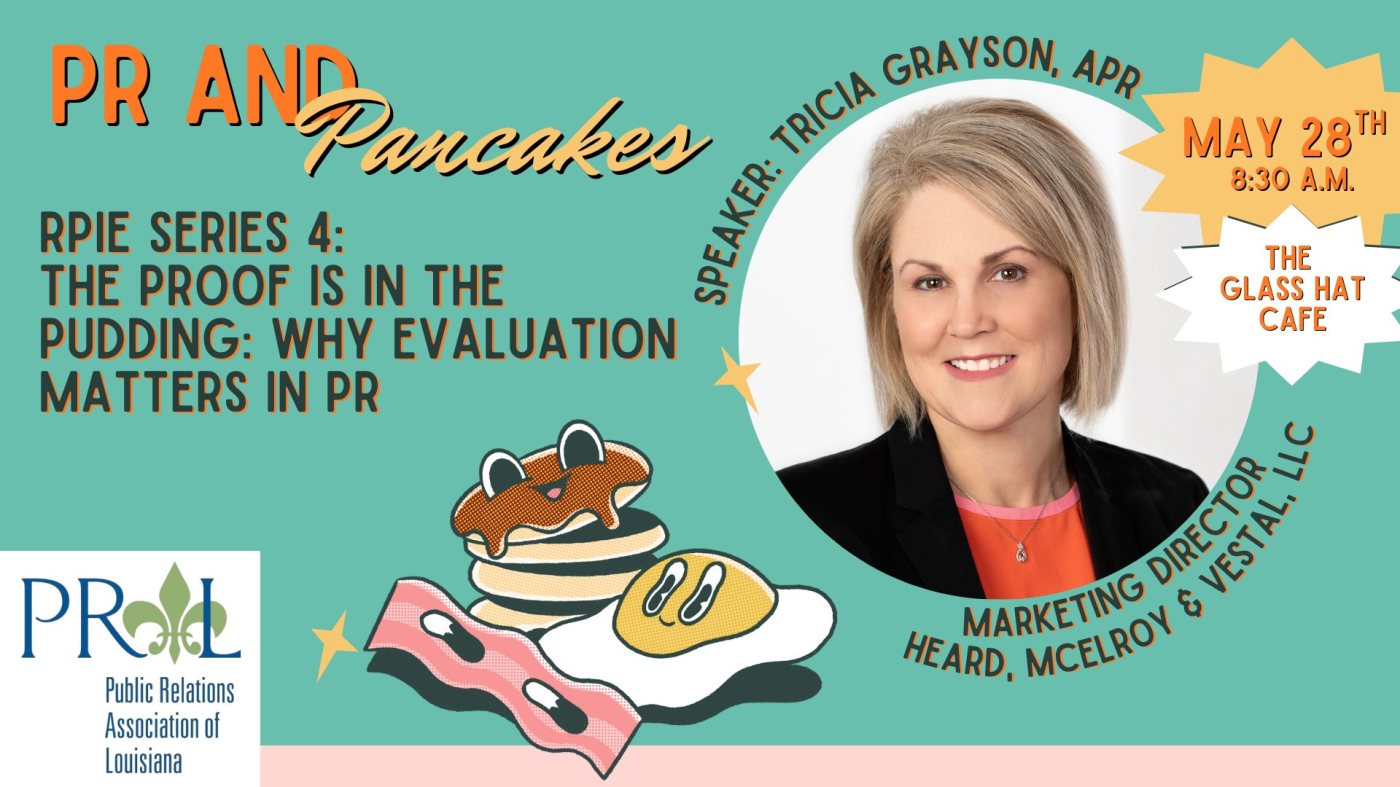
This article was adapted from a presentation delivered for PRAL Northwest’s PR & Pancakes professional development series.


Leave a Reply